


AP Photo/Annie Rice
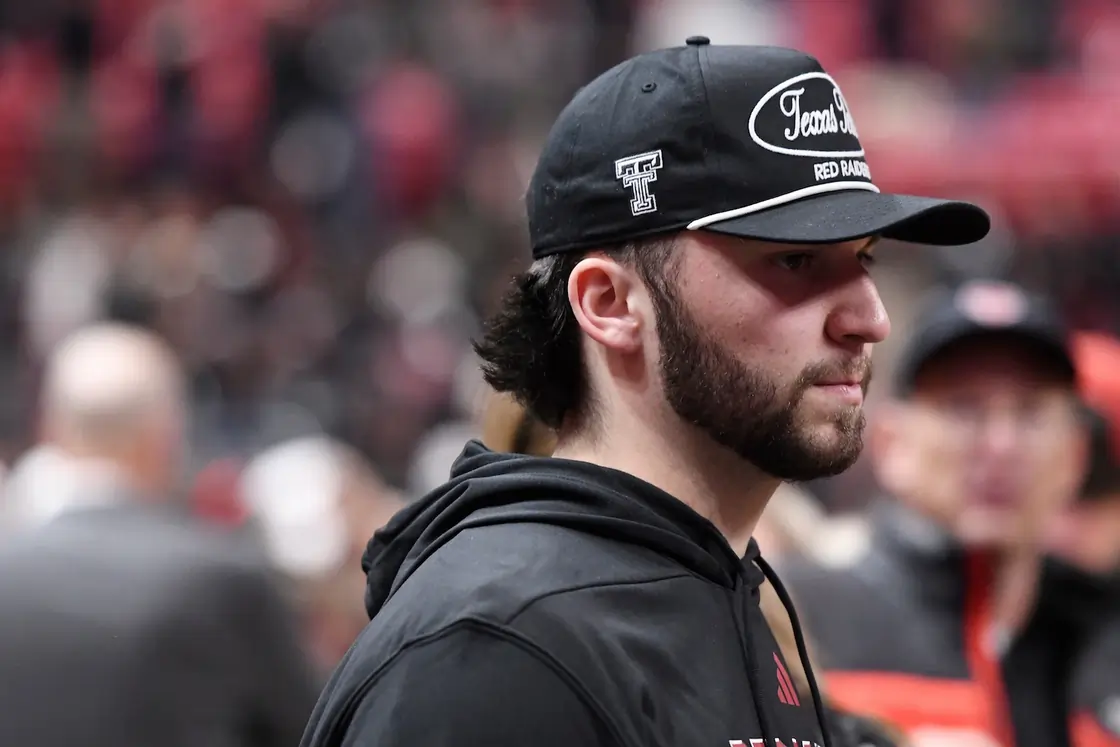
I confess, I do not know Brendan Sorsby, the Texas Tech quarterback at the center of the gambling scandal. I do know, however, the dictates of the Big XII Conference and the National Collegiate Athletic Association (NCAA) regarding gambling and sport wagering. NCAA Bylaw 10.3 has a recurring presence in the compliance education materials provided to student-athletes, coaches, and athletics staff.
I know, also, that compliance staff, through multiple platforms and with exhaustive redundancy, address sports betting rules along with the reminder that ProbiBet monitoring—an encrypted data-sharing platform designed to prevent prohibited individuals, such as athletes, coaches, and officials, from placing illegal sports bets—remains active for all account creations and wagering.
I know because I received the materials, was expected to be versed in them, and was occasionally tested on them.
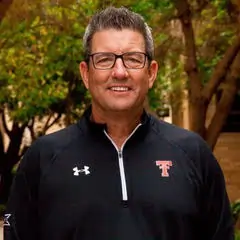
For 23 years I lived in Lubbock, Texas, where I served as a Senior Pastor of a church located three blocks from the main entrance of Texas Tech University. During that time, I was afforded the privilege of serving as the team chaplain for Texas Tech Football.
Mine was not a cursory gameday presence. Through four head coaches and 15 seasons, I was daily immersed in the life of players, coaches, and staff: attending practices, team meetings, off-season workouts, dining with them, traveling to away games, conducting voluntary chapel services, and providing leadership training and motivational enrichment as part of the onboarding process in the development of our student-athletes.
Along with strength and conditioning, sports medicine, nutrition, and sports performance, I was another available resource for the growth, development, and flourishing of our student-athletes.
Over these many years, and through the relationships I was privileged to establish, I have provided counsel, performed wedding ceremonies, and conducted funeral services for former players, coaches, staff, and administrators. This is a team, staff, and administration that became family. Unless one is mindful, such emotional proximity can make it difficult to be entirely objective.
However, that proximity has also given me a special interest and insight into the saga of Brendan Sorsby, the controversial quarterback who has been the focus of the college football world over the last few months.
The people behind the decisions
Since June 8, and the unexpected ruling of Judge John Curry, granting a temporary injunction that would allow Texas Tech quarterback Brendan Sorsby to participate in the forthcoming 2026 football season, until Monday, June 15 whenSorsb expressed his intention to declare for the NFL supplement draft and drop his lawsuit against the NCAA, I have watched with interest the reasoned, credible, and cogent arguments offered by the two major stakeholders—Texas Tech and the NCAA (this includes the Big XII conference)—and their respective positions.
For nine days, it seemed that Texas Tech President Lawrence Schovanec, Director of Athletics Kirby Hocutt, and Head Football Coach Joey McGuire had a recurring presence on every mainstream news outlet and social media feed. Their consistent and convictional advocacy for Brendan Sorsby, the ongoing recovery from his gambling addiction, and overall well-being was compatible and in accordance with everything that I had ever seen and experienced in my history with the program; a continual desire to redeem circumstances that, frankly, even I sometimes thought were irredeemable. These are individuals for whom I have the highest regard and respect, and would have expected no less than their impassioned advocacy for a student-athlete in crisis.
Though I do not know him personally, I have no reason to think any less of Charlie Baker, the President of the NCAA. In fact, anyone leading a Byzantine monolith such as the NCAA into a future that, 50 years ago, could not have anticipated the complexities and societal dysfunctions of modern life deserves respect and empathy. I find Baker’s zeal and advocacy for the preservation of the overall well-being of collegiate athletics to be commendable.
When causes conflict
While opinions on this matter are varied, and many have been expressed with strident fervor, the purpose of this article isn’t to sway one way or the other. Rather, my hope is to offer the reader an accompanying perspective; that instead of one being right and the other wrong, perhaps both Texas Tech and the NCAA are to be commended for wanting and advocating what each, in their respective roles, regard as being right and good.
Consider this saga in the light of 1 Peter and his letter to believers in ancient Turkey. Against the backdrop of a hostile, unbelieving culture, Peter addresses the proper attitude and character of believers through an interesting, common-sense statement:
“And who is there to harm you if you prove zealous for what is good? But even if you should suffer for the sake of righteousness, you are blessed” (1 Peter 3:13-14).
In other words, it would be rare for someone to be persecuted for doing good. However, if you do suffer because you are zealous for doing good, recognize it as an opportunity for benefit and instruction for growth.
Perhaps our growth, when processing and forming opinions regarding complex, volatile, media-fueled matters such as this, is to change the narrative from one of adversarial denigration to one of commendable advocacy, recognizing that real people—husbands, fathers, friends, neighbors, fellow church members—occupy these leadership roles that demand their advocacy for the injured party.
As such, both the leadership of Texas Tech University and Charlie Baker of the NCAA can be applauded for the unwavering advocacy of their respective causes: a student-athlete with an addiction and the right of a governing body to enforce its established and understood rules.
Lessons to learn for the next Sorsby
I also see, in these events, the importance of community. In a day when many professing believers practice and advocate for a kind of “Lone Ranger” brand of Christianity, it is the presence of the church that reminds each of us of the responsibility and accountability we are to have toward one another.
Texas Tech is part of the Big XII Conference and a member of the NCAA. While any one school would be expected to advocate for its student-athletes, the other members bear responsibility for maintaining the well-being of the whole.
As the wisdom writer states, “Without consultation, plans are frustrated, but with many counselors they succeed” (Proverbs 15:22). And as “a cord of three strands is not quickly broken” (Ecclesiastes 4:12), neither is a Big XII conference of 16 teams.
With Brendan Sorsby expressing his intent to enter the NFL supplemental draft, this months-long saga of collegiate gambling and sports wagering discourse appears to be coming to an end. At least until the next time one of these young men decides to make a similar mistake.
Sports betting has become increasingly visible on college campuses, and addictions are becoming more frequent. The proverbial can has been kicked down the road for another day, another school, another player. Perhaps at a school you know, involving people you know and love.
When that moment arrives, embracing a narrative that advocates for good, while avoiding the adversarial rhetoric that divides, will better enable you to retain the enjoyment of collegiate sports at a time when it is undergoing precipitous change.














 Search